Adisha Script: Where Classic Elegance Meets Modern Dance
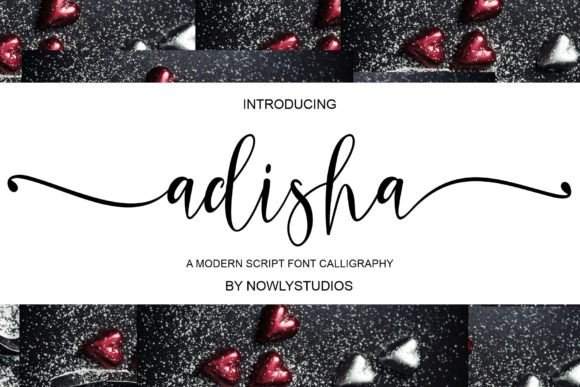
Finding a typeface that feels both timeless and fresh is a common challenge. You want something with character, but not so much that it overwhelms your message. Adisha Script strikes that balance beautifully. It's a script font that draws inspiration from classic calligraphy but is reimagined with a modern, almost dance-like rhythm. The letters have a lovely, imperfect quality—like graceful movements with natural ups and downs. This gives Adisha a personality that feels authentic, smooth, and clean without being sterile. It’s not just a premium font; it’s a versatile design asset with a distinct voice.
The Heart of Adisha: More Than Just Letters
At its core, Adisha is a handwritten font designed for impact and emotion. Its defining feature is the fluid, connected script that mimics the flow of a pen on paper. This isn't a rigid, uniform typeface. Each character has subtle variations, creating a sense of movement and life. The "dance letters" quality makes it perfect for projects where you want to convey warmth, elegance, and a personal touch. Think of it as a bridge between the formality of a serif font and the casualness of a sans serif, offering the best of both worlds for specific applications.
What truly sets Adisha apart in the world of modern typography is its extensive feature set. It’s not just one style; it’s a toolkit. The font includes alternate glyphs, beautiful swirls, and stylistic sets. These are accessed through OpenType features in programs like Adobe Illustrator or InDesign. This means you can customize the look of words to avoid repetition and create truly unique compositions. For the craftsman or designer, the PUA unicode encoding is a game-changer. It ensures every alternate character is easily accessible, even in simpler software, giving you full creative control without technical headaches.
Where Adisha Truly Shines: Practical Applications
Understanding where a font works best is key to using it effectively. Adisha’s blend of elegance and readability makes it a standout display font. It’s built to grab attention in headlines, logos, and hero sections of websites. For logo design, it can lend a brand an air of bespoke sophistication. Imagine it on a boutique bakery’s logo, a wedding planner’s business card, or a luxury skincare label. It immediately communicates care and quality.
For packaging design, Adisha adds a layer of artisanal charm. It’s perfect for product names on boxes, jars, or tags. In editorial design, use it for pull quotes, chapter titles, or magazine headers to add visual interest. The font is equally at home in digital spaces. It can elevate social media graphics, making Instagram quotes or Pinterest pins more engaging. For bloggers and content creators, it’s ideal for customizing blog headers, newsletter titles, or eBook covers, helping to build a recognizable brand identity.
Of course, its application in event stationery is a natural fit. Wedding invitations, escort cards, table numbers, and menu headers are all transformed by Adisha’s elegant flow. It brings a cohesive, high-end feel to any celebration. For small business owners, it can be used on thank-you cards, promotional flyers, or custom stamps, ensuring all customer touchpoints feel professionally designed.
Integrating Adisha into Your Design Workflow
Choosing the right font is only half the battle; using it well is the other. When evaluating if Adisha fits your project, consider the overall tone. It excels in contexts that value elegance, femininity, celebration, or artisanal quality. It might be less suitable for dense body text or highly technical manuals where a simple sans serif font is more appropriate. Always test it at the size you intend to use. While it’s clear at larger display sizes, ensure its intricate details remain legible in smaller applications like address labels.
A critical skill is font pairing. Adisha, as a expressive script, needs a stable partner. It pairs wonderfully with clean, simple serif or sans serif fonts. For instance, use Adisha for a main headline and a font like Montserrat or Lora for subheadings and body copy. This creates a clear visual hierarchy, letting the script font shine without competing for attention. Avoid pairing it with other ornate or busy fonts, which can create visual chaos.
Before you start, review the font’s full character map. Explore the alternates and stylistic sets. Swapping out a standard ‘a’ or ‘g’ for an alternate can completely change the feel of a word. This level of customization is what makes a creative font like Adisha a valuable part of your design assets library. Finally, ensure your use is compliant. Adisha is a commercial font, so verify the license covers your intended use, whether it’s for a client project, merchandise, or digital products.
In a digital landscape crowded with generic typefaces, Adisha Script offers a chance to inject personality and professionalism into your work. It’s a tool for designers, entrepreneurs, and creators who understand that typography is a fundamental part of storytelling and brand perception. By leveraging its features thoughtfully, you can create designs that are not only beautiful but also strategically effective.