Royhals Romand: A Blackletter Typeface for Autumn Stories
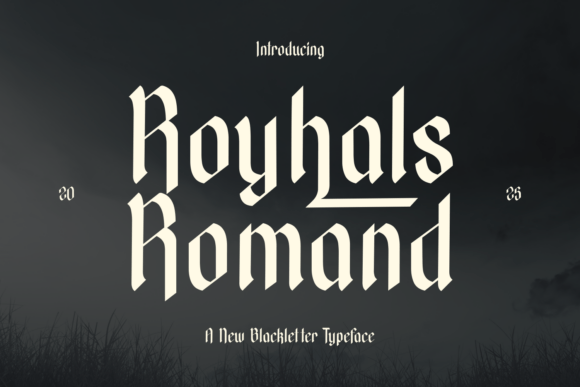
There’s a particular quality to early autumn light—something about the way it slants through golden leaves, casting long shadows. It feels historical, a little melancholic, and deeply atmospheric. This is the exact feeling captured in Royhals Romand, a new premium font released in 2025. It’s not just a collection of glyphs; it’s a mood, a narrative tool waiting for your project. If you’re a designer, publisher, or brand creator looking for a creative font with weight and history, this typeface deserves your close attention.
More Than Just Gothic Script
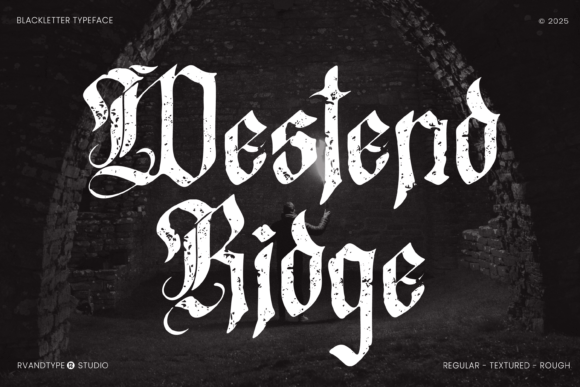
At first glance, you might categorize Royhals Romand as a traditional blackletter or gothic font. It certainly draws from that lineage, with its strong vertical emphasis, fractured strokes, and intricate forms that echo medieval manuscripts and early printed books. But to leave it there would be to miss its nuance. The designers have refined the harshness often found in purely historical scripts. The letterforms in Royhals Romand possess a certain somber elegance. The angles are deliberate, the thick-to-thin contrast is pronounced yet controlled, and the overall texture on a page is rich and detailed without becoming visually chaotic.
This isn’t a font for whispering. It speaks with authority and a sense of timelessness. Its personality is serious, literary, and grounded. Think of the title page of an old leather-bound book, the masthead of a heritage publication, or the branding for a craft distillery that honors old-world techniques. It carries an inherent weight that can instantly lend credibility and a sense of deep-rooted tradition to a design.
Finding the Right Home for Royhals Romand
The true test of any display font is knowing where it shines and where it struggles. Royhals Romand is not a workhorse for body text; its complex details would fatigue the eye over long paragraphs. Its strength lies in making a powerful first impression. Here’s where it becomes an invaluable part of your design assets.
- Logo Design & Brand Identity: For brands in luxury goods, artisanal crafts, historical tourism, or even fantasy gaming, Royhals Romand can form the cornerstone of a memorable brand identity. It works exceptionally well for monograms and wordmarks where the letterforms themselves become iconic symbols.
- Editorial & Packaging Design: Imagine this font on the cover of a fantasy novel, a historical fiction book, or a magazine feature about folklore. In packaging design, it’s perfect for premium coffee blends, whiskey labels, or Halloween-themed products, especially when paired with the right autumnal color palette.
- Digital & Social Media: In the realm of web design and social media graphics, use it strategically. A hero banner for a seasonal campaign, a striking title for a blog post about medieval history, or an impactful headline on a landing page can benefit from its dramatic presence. It stops the scroll.
- Event & Personal Projects: For crafters and hobbyists, this font is a gem. Think wedding invitations with a dark, romantic theme, personalized Halloween party materials, or custom signage for a historical reenactment event. It adds a layer of professional polish to personal creations.
The Strategic Impact on Your Project
Choosing a typeface like Royhals Romand is a strategic decision that influences how your audience perceives and engages with your work. It’s a tool for building visual hierarchy and shaping brand perception. When used as a headline font, it creates an unmistakable focal point. Your eye is drawn to it, and it sets the tone for everything that follows. This establishes a clear visual order, guiding the viewer from the most important statement down to the supporting details.
From a brand perspective, consistent use of such a distinct font can significantly boost recognition. It becomes a signature element, as recognizable as a logo color or icon. It tells your audience that you value tradition, craftsmanship, and depth. This is particularly powerful for building trust in niches where heritage and authenticity are valued. However, this power comes with responsibility. Overuse can diminish its impact and overwhelm a design. The key is restraint and intelligent pairing.
Practical Guidance for Implementation
So, you’re considering Royhals Romand for your next project. Here’s how to move forward with confidence. First, always test the commercial font in your specific context. Mock it up in your design software. See how it looks at the size you intend to use it. Check the readability of every letterform, especially in words relevant to your project.
Next, master the art of font pairing. Because Royhals Romand is so stylistically bold, it demands a calm, highly readable companion. A clean, geometric sans serif font is often a superb choice for body text or supporting information, providing a stark contrast that lets the blackletter headline breathe. A simple, old-style serif font could also work for a more cohesive, traditional feel, but avoid other decorative script or handwritten fonts that would compete for attention.
Finally, review the font package carefully. What styles are included? Does it have a full character set, including numerals and punctuation? Are there stylistic alternates or ligatures that could add extra flair? Understanding the full toolkit ensures you can use the typeface to its maximum potential. And, of course, ensure the licensing aligns with your project, whether it’s for personal use, a single client project, or a large-scale commercial campaign.
Royhals Romand is more than just another gothic font. It’s a carefully crafted piece of modern typography that bridges historical reference and contemporary design needs. For the right project, it won’t just set a mood—it will tell a story, build a brand, and create a lasting impression that feels both timeless and perfectly suited for the season of change.