Secret History: The Gothic Font with a Mysterious Edge
There are typefaces that simply set words, and then there are typefaces that tell a story. The latter are rare, and finding one that genuinely shifts the mood of a project is a moment of creative clarity. Secret History belongs to this category. It’s not just a set of characters; it’s an atmosphere, a whisper of old-world mystery and dramatic flair. If you’re a designer, entrepreneur, or creative looking for a typeface with a distinct personality, this one demands a closer look.
A Visual Journey: Classic Gothic Meets Exotic Influence
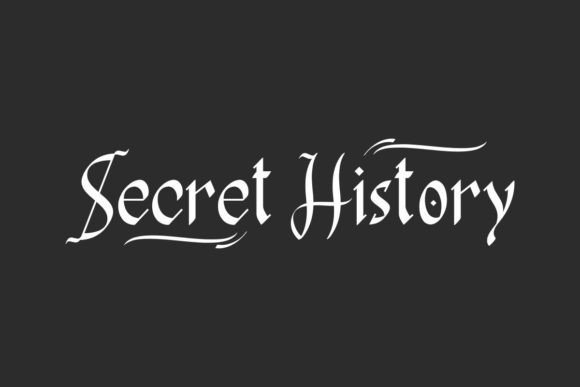
At first glance, Secret History presents a strong medieval gothic character. You’ll notice the high-contrast strokes, the sharp, angular terminals, and the overall structure that feels rooted in historical European letterforms. It evokes the feel of aged manuscripts, cathedral carvings, and the title cards of classic fantasy films. However, a closer inspection reveals a subtle but fascinating twist. Certain letterforms incorporate gentle curves and ornamental details that hint at an Arabic-influenced style. This isn’t a direct imitation, but a thoughtful fusion. It adds an exotic, mysterious layer to the font’s personality, preventing it from feeling like a simple historical revival. The result is a creative font that feels both familiar and intriguingly otherworldly.
This blend of influences gives the typeface incredible versatility. It can lean into a purely European fantasy aesthetic for a medieval-themed event or adopt a more mysterious, globetrotting vibe for a luxury brand or a magic-themed project. The key is its ability to carry narrative weight. It doesn’t just label; it suggests a deeper story behind the words it forms.
Where Does This Typeface Truly Shine?
Understanding a font’s soul is one thing; knowing where to deploy it is another. Secret History is a display font by nature. It’s built for impact, not for body copy in a lengthy report. Its intricate details and high contrast make it a poor choice for small, long-form text. Instead, think of it as the headline act, the centerpiece that draws the eye and sets the tone.
In brand identity, it can be transformative. Imagine it used for the logo of a high-end antiques shop, a specialty café with a vintage theme, or a handicrafts business selling artisanal goods. It instantly communicates heritage, craftsmanship, and a touch of mystery. For packaging design, particularly in gift wrapping for luxury items or accessories, it can elevate a product from ordinary to extraordinary. The font itself becomes part of the unboxing experience.
The entertainment industry is a natural home for Secret History. Its cinematic quality makes it perfect for movie posters, music album covers (especially in genres like symphonic metal, folk, or ambient), and titles for video games with fantasy or historical settings. It’s equally effective for event branding—think festivals with a medieval or gothic theme, or magic shows that rely on an air of enigma.
For digital creators, this premium font can make social media graphics and web design headers stand out in a crowded feed. A blog about history, mythology, or niche hobbies can use it for its logo or section headings to establish a strong visual voice. In editorial design, it can create stunning chapter openers or pull quotes in a magazine or book layout, adding a layer of sophistication and drama.
Making It Work: Practical Guidance for Your Project
Choosing a display font like this requires more than just liking its look. You need to evaluate its fit. Start by defining the core message of your project. Is it about authenticity, mystery, luxury, or fantasy? If your brand is modern, minimalist, and sleek, Secret History might clash. But if you’re aiming for depth, tradition, or narrative richness, it could be the perfect design asset.
Font pairing is critical. A font with this much personality needs a quieter partner to ensure readability and create a balanced visual hierarchy. The best companions are often clean, neutral sans serif fonts. A simple, geometric sans serif for body text will provide a clear contrast, allowing the headings in Secret History to command attention without causing visual fatigue. You could also pair it with a simple, elegant serif font for a more classic, traditional feel. Avoid pairing it with other ornate script or handwritten fonts, as they will compete for attention and create chaos.
Always test the font in context. Type out your actual headline text, not just the alphabet. Check the spacing (kerning) between specific letter pairs like “T” and “o” or “W” and “a.” Review any included styles, such as alternate characters or ligatures, which can add unique flourishes to your design. Most importantly, consider readability at the size you’ll use it. A font that looks majestic at 72pt might become an unreadable blur at 24pt on a mobile screen.
Finally, if you’re using it for a commercial project—a client’s logo, a product you sell, or a monetized channel—ensure you have the correct commercial font license. Reputable foundries and marketplaces are clear about licensing terms. This isn’t just about legal compliance; it’s about respecting the craft of the type designer and ensuring your use of the font is ethical and professional.
Secret History isn’t a font you’ll use for every project. But for the right one, it’s not just a typeface—it’s the beginning of a conversation. It adds a layer of brand perception that generic fonts simply cannot achieve, making it a valuable tool in any creative professional’s arsenal.