The American Flag Font: A Typographic Tribute to Patriotism
Capturing the Spirit of the Nation in Every Glyph
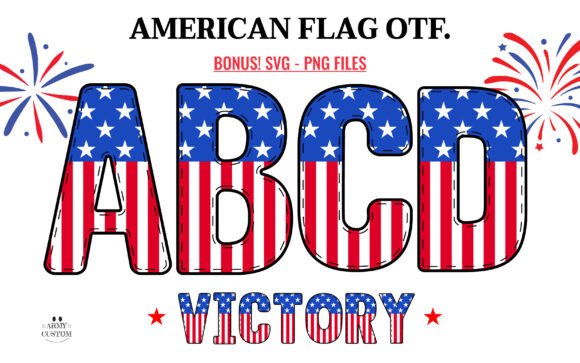
When a typeface is named American Flag, it carries a heavy burden of expectation. It needs to evoke a specific feeling immediately—something that blends history, celebration, and a touch of nostalgia. This font manages to do exactly that without being overly literal or cartoonish. It isn’t just a collection of letters; it is a design asset that channels the energy of patriotic holidays like Memorial Day and the Fourth of July.
Visually, the American Flag font likely leans into a style that balances boldness with approachability. If it follows the tradition of patriotic typography, we can expect strong, sturdy letterforms that suggest reliability and independence. It might feature subtle serifs or decorative elements that hint at vintage Americana without sacrificing legibility. The personality of this typeface is confident and spirited. It feels like a premium font designed for moments that matter, whether that is a community event, a national holiday sale, or a piece of personal art celebrating heritage.
The appeal of this creative font lies in its versatility within a specific niche. While many display fonts can be too loud or chaotic, a well-designed patriotic typeface finds the sweet spot between festive and professional. It acts as a tribute to the Land of the Free, brought to life through careful kerning and weight distribution. It is the kind of typeface that immediately sets a scene, telling the viewer that the content they are about to engage with is rooted in American culture and celebration.
Strategic Applications for Designers and Businesses
For marketers, entrepreneurs, and small business owners, timing is everything. The American Flag font is a powerful tool for seasonal campaigns. Think about the visual noise that happens during summer holidays. To stand out, you need a font that speaks the language of the season instantly. This font is perfect for social media graphics promoting holiday sales, email headers for Memorial Day newsletters, and packaging design for limited-edition summer products.
However, the utility of this font extends beyond just national holidays. If you are working on editorial design for a history magazine or a travel blog focused on US landmarks, the American Flag font can serve as a striking headline choice. It works exceptionally well for:
- Logo Design: Creating marks for local businesses, veteran-owned companies, or American-made product lines.
- Event Invitations: Setting the tone for backyard barbecues, political fundraisers, or community parades.
- Digital Content: Adding personality to YouTube thumbnails or podcast cover art related to history and culture.
- Merchandise: Designing T-shirts, mugs, and posters where the text itself is the main visual element.
For crafters and hobbyists, the font offers a way to elevate DIY projects. Instead of using generic clip art, using a dedicated patriotic typeface for scrapbooking or vinyl decals adds a layer of professionalism to your personal creations. It allows you to create custom brand identity elements for a home-based business or a side hustle focused on patriotic goods.
Typography Fundamentals: Hierarchy and Readability
Choosing a display font like American Flag requires an understanding of visual hierarchy. This typeface is designed to be the star of the show, meaning it should be used for headlines, titles, and short bursts of impactful text. It is generally not recommended for body copy. Trying to read a paragraph set in a decorative, patriotic style can strain the eyes and ruin the reading experience.
Instead, use the American Flag font to grab attention, and then pair it with a clean sans serif font or a readable serif font for the actual information. This contrast is a fundamental principle of modern typography. A strong, stylistic header paired with a neutral body font creates a balanced layout that guides the reader's eye naturally from the title to the details.
Consider the font pairing carefully. If the American Flag font has a vintage, textured feel, pairing it with a geometric sans serif can create a nice tension between old and new. If the font is more streamlined and modern, a classic serif might provide a grounding effect. The goal is to ensure that the brand perception remains professional. A patriotic font should make a brand look established and trustworthy, not chaotic or amateurish.
Evaluating the Font for Your Project
Before integrating the American Flag font into your workflow, it is wise to perform a quick evaluation. First, look at the specific styles included with the font family. Does it come with bold or italic variations? Does it include swashes or alternates? These extra features can significantly expand the font's utility, allowing you to customize headlines to fit specific spaces.
Next, test the font in context. Don't just look at it in a preview window; mock it up on your actual design. If you are working on web design, check how it renders on different screen sizes. A font that looks great on a desktop banner might become illegible on a mobile screen if the details are too fine. If you are working in print, print a test page to see how the ink interacts with the paper texture.
Finally, always review the licensing. If you are a designer or publisher working on commercial projects, you need to ensure you have the correct commercial font license. Most premium fonts offer different tiers for desktop use, web use, and app embedding. Ensuring you are compliant protects your business and supports the typographers who created the work.
The American Flag font is more than just a seasonal novelty; it is a design asset that can add heart and soul to your creative projects. By using it strategically and pairing it wisely, you can create designs that resonate deeply with your audience, celebrating the spirit of the nation with style and integrity.