Why Flower Blossom is Your Go-To Font for Whimsical Design
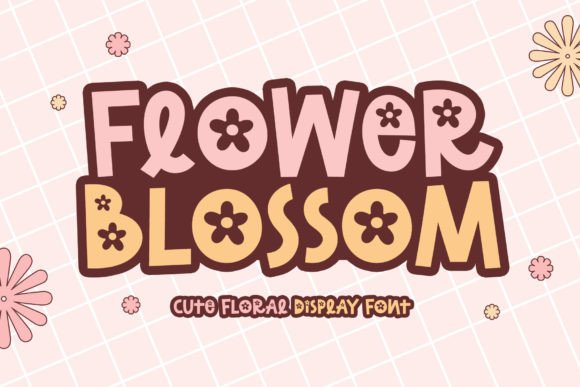
There's a certain feeling you get when a design just clicks. It's not always about complex layouts or expensive photography. Sometimes, the magic is in the details, right down to the letterforms you choose. If you've been searching for a typeface that brings a gentle, organic energy to your work, one that feels both personal and polished, you've likely encountered display fonts that promise the world but feel generic. Flower Blossom is different. It's a premium font that doesn't just sit on a page; it adds a layer of personality, with delicate floral accents woven into each character. Think of it as the design equivalent of a sun-dappled garden path—inviting, charming, and full of subtle beauty.
Understanding the Visual Charm of Flower Blossom
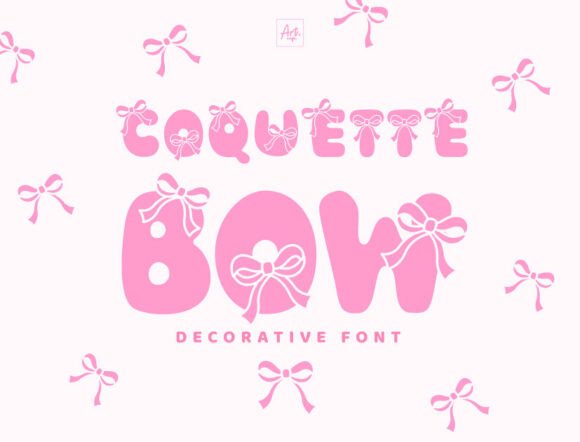
At its heart, Flower Blossom is a display font, meaning its primary strength is in headlines, logos, and short bursts of impactful text. Its visual style is unmistakably cute and approachable, but it achieves this without sacrificing legibility. The letterforms often have a slightly rounded, soft structure, reminiscent of a handwritten font but with more consistency and control. The defining feature, of course, is the floral accent—small, elegant leaf or petal details that emerge from the terminals of letters or flourish from the curves. This isn't a loud, overpowering motif; it's a subtle nod to nature that gives the typeface its unique voice.
This personality makes it a fantastic creative font for projects aiming for a specific mood. It carries a natural warmth, making it ideal for designs that need to feel friendly, nostalgic, or celebratory. Unlike a stark sans serif font or a formal serif font, Flower Blossom injects a sense of handcrafted care. It speaks to a brand identity that values whimsy, femininity, or a connection to the outdoors. The overall appeal is one of gentle sophistication—it's cute, but not childish; decorative, but not distracting.
Where Flower Blossom Truly Shines: Practical Applications
The true test of any design asset is how it performs in the real world. Flower Blossom excels in scenarios where you want to set a clear, evocative tone quickly. Consider its use in logo design for a boutique bakery, a floral shop, or a handmade jewelry brand. The font instantly communicates the artisanal, personal nature of the business. For packaging design, it can grace the labels of organic skincare products, specialty teas, or gourmet jams, reinforcing a narrative of natural ingredients and thoughtful production.
In the digital space, it's a powerhouse for social media graphics. A Instagram story promoting a summer sale, a Pinterest pin for a DIY craft tutorial, or a Facebook header for a local farmer's market all benefit from its inviting aesthetic. It's equally effective in web design for hero sections, call-to-action buttons, or special announcement banners where you want to draw the eye with charm rather than brute force. For editorial design, think of chapter titles in a lifestyle magazine, headers in a wedding planner's blog, or pull quotes in a recipe book.
Its versatility extends to personal and commercial projects alike. Crafters adore it for t-shirt design, custom stickers, and scrapbooking. Small business owners can use it for cohesive marketing materials, from business cards to email newsletter templates. The font's inherent style does a lot of the heavy lifting, helping maintain visual consistency across a campaign or product line, which is crucial for building brand recognition and professionalism.
Integrating Flower Blossom Into Your Design Workflow
Choosing the right font is a strategic decision. Before you commit, evaluate if Flower Blossom's personality aligns with your project's core message. Is your brand voice playful and heartfelt? Is your target audience likely to appreciate a touch of whimsy? If you're working on a corporate finance report, it's probably not the right fit. But for a community event poster, a children's book cover, or a social media campaign for a gardening app, it could be perfect.
A key part of using any display font effectively is mastering font pairing. Flower Blossom's decorative nature means it pairs best with cleaner, more neutral companions. A classic sans serif font like Montserrat or Lato for body text creates a beautiful contrast, allowing the headline font to pop without overwhelming the reader. You could also pair it with a simple, readable serif font for a more traditional yet still approachable feel. The goal is balance—let Flower Blossom handle the personality, and let its partner handle the information.
Always check what's included in the font package. Does it offer multiple weights (like Regular and Bold)? Are there alternate characters or stylistic sets that allow you to customize the look? Test the font at the size you intend to use it. While it's designed for display, ensuring the floral details are crisp and the letters are distinct at your chosen scale is vital for readability. Finally, confirm the commercial font license covers your intended use, whether it's for a client project, merchandise for sale, or digital products. This due diligence protects you and ensures your beautiful design can be used without limitation.
Ultimately, Flower Blossom is more than just a pretty collection of glyphs. It's a tool for storytelling. By understanding its visual language and applying it thoughtfully, you can leverage this modern typography choice to create designs that feel authentic, engaging, and memorable. It helps bridge the gap between a simple graphic and an emotional response, making it a valuable addition to any designer's toolkit.