Camouflage Font: Bold Military Patterns for Standout Designs
More Than Just a Typeface: The Camouflage Statement
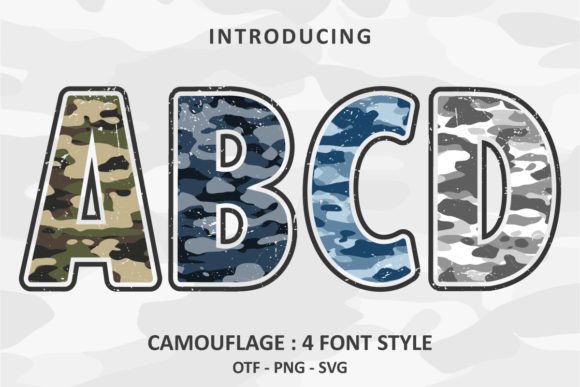
Finding a font that truly captures a specific mood without falling into cliché is a common challenge for designers. Camouflage is a premium font that does exactly that. It’s not merely a typeface; it's a visual statement built on four distinct military camouflage patterns. The numbers are styled in a retro army aesthetic, giving the entire set a cohesive, textured look that immediately adds character. This isn't a subtle serif font or a clean sans serif font; it's a display font with a strong, opinionated personality designed to make an impact.
The appeal of Camouflage lies in its ability to convey strength, ruggedness, and a touch of vintage cool. Its visual texture makes it a fantastic creative font for projects where you need the typography itself to be a primary design element. Think of it as a piece of modern typography that borrows from historical military insignia, creating a bridge between nostalgia and contemporary design. The overall effect is one of originality and confidence, perfect for work that needs to stand apart in a crowded visual landscape.
Strategic Applications: Where Camouflage Truly Shines
Knowing where a specialty font like Camouflage works best is key to using it effectively. Its bold, patterned nature makes it ideal for projects where short, impactful text is needed. In logo design, it can define a brand’s identity for outdoor apparel, tactical gear, adventure sports, or even a gritty music label. The font’s inherent texture adds a layer of depth that a flat, vector-based logo might lack, making the brand identity more memorable and tangible.
Beyond logos, consider its use in editorial design and packaging design. A magazine headline or a book cover using Camouflage can instantly signal the genre—be it military history, thriller fiction, or an action-packed graphic novel. For packaging design, especially for products like craft beer, hot sauce, or men’s grooming products, the font communicates authenticity and a hands-on, artisanal quality. It’s also a powerhouse for event posters, music festival branding, and movie titles where energy and attitude are paramount.
In the digital space, Camouflage can energize social media graphics, banner ads, and website hero sections. However, its primary role online is for headlines and short calls-to-action, not body copy. For crafters and hobbyists, the black version’s compatibility with Cricut Design Space opens up a world of possibilities for custom apparel, decals, and home décor projects. The color version, while limited to specific design software like Photoshop and Illustrator, allows for even more creative experimentation in digital art and high-end print projects.
Practical Guidance for Using Camouflage Effectively
Integrating a bold, patterned font like Camouflage into your workflow requires some thoughtful consideration. Its strength is also its limitation: it’s highly decorative. Using it for long paragraphs of text would severely hinder readability. Instead, treat it as a powerful accent within your typographic hierarchy. Pair it with a clean, neutral font pairing—a simple sans serif or a classic serif for body text—to create a balanced and professional layout. This contrast ensures your message is clear while the headline retains its impactful style.
Before committing, evaluate your project’s fit. Does the brand or project’s personality align with themes of ruggedness, vintage military, or bold outdoorsmanship? If the answer is yes, Camouflage can be a perfect design asset. Always test the font with your actual content. See how the specific letters and numbers in your headline interact with the four different patterns. Some patterns may work better than others depending on the letterforms and the background color or texture of your design.
It’s crucial to understand the technical specifications. The color version of Camouflage is a specialized commercial font that requires compatible software. It will not work as a standard install-and-type font in every program. Always refer to the provided guide for instructions on using color fonts. For projects requiring cutting machines, the black version is your go-to. When you add Camouflage to your toolkit, you’re not just getting a font; you’re getting a versatile design tool that, when used thoughtfully, can elevate projects from logotypes and posters to brand identities and personal crafts, delivering results that are both professional and distinctly original.