Decorative Elements: A Toolkit for Visual Storytelling
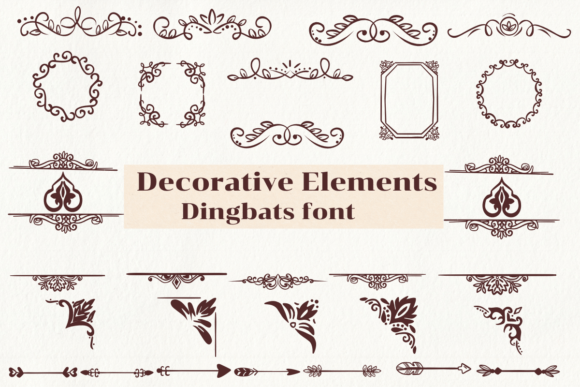
You know that feeling when a project is technically correct but still feels a little... flat? The layout is clean, the copy is solid, but it lacks that spark of personality. This is where a resource like Decorative Elements steps in. It's not your standard serif font or sans serif workhorse. Think of it as a curated library of small, versatile pictograms—a dingbat font designed to inject immediate character and visual shorthand into your work. It’s the difference between a plain invitation and one that feels handcrafted with intention.
More Than Just Ornaments: The Visual Language
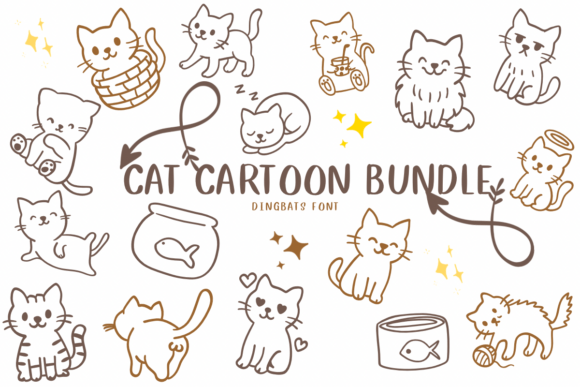
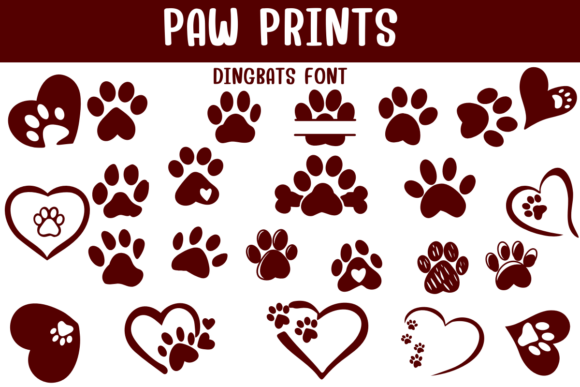
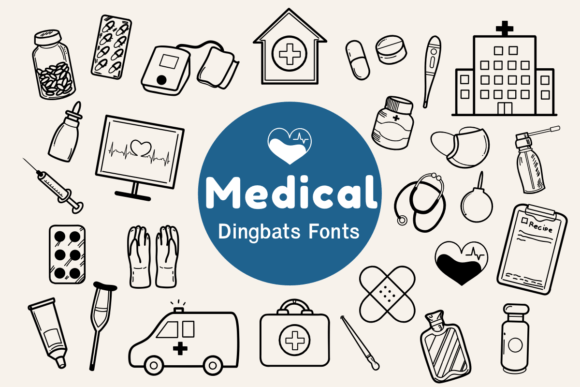
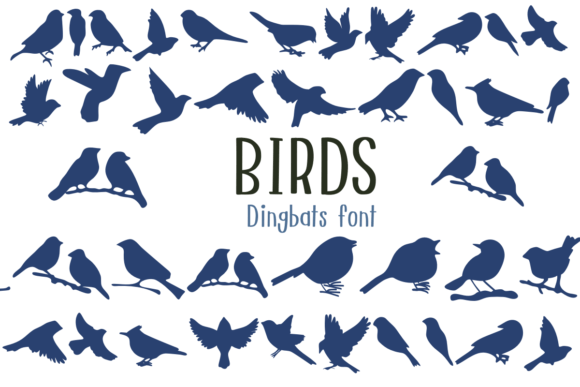
At its core, Decorative Elements is a typeface of symbols. The visual character can range from delicate botanical flourishes and geometric borders to whimsical arrows, celestial motifs, and abstract shapes. Its personality is defined by versatility. Depending on which symbols you select, it can feel elegant and vintage, crisp and modern, or playful and organic. The overall appeal lies in its ability to communicate a theme or mood at a glance, bypassing the need for complex illustrations. It’s a premium font asset that acts as a direct line to visual interest.
This is a quintessential display font in function, meant for headlines, accents, and decorative touches rather than body copy. It exists in the same design toolbox as a standout script font or a bold handwritten font—used for emphasis, not for paragraphs. Its strength is in its specificity; each glyph is a small design decision, a building block for a larger brand identity or editorial layout.
Where These Symbols Shine: Practical Applications
The real-world value of a resource like Decorative Elements is found in its application across a spectrum of projects. For graphic designers and marketers, it’s a secret weapon for creating cohesive social media graphics. A series of Instagram posts can be unified with a repeating border element or a signature icon in the corner, building visual recognition without a word.
In packaging design and logo design, a single, well-chosen symbol from the font can become an iconic part of the mark—think of a tiny leaf for an organic brand or a minimalist diamond for a luxury line. For bloggers and content creators, these elements are perfect for breaking up long blocks of text, creating custom dividers, or adding flair to pull quotes and chapter headings in editorial design.
Small business owners and entrepreneurs will find it invaluable for creating professional-looking materials on a budget. It can elevate a simple thank-you card, make a product label feel special, or add a polished touch to a digital newsletter. Even for personal projects—like custom stationery, wedding invitations, or scrapbooking—it provides a level of detail that feels bespoke.
Making It Work: Font Pairing and Hierarchy
Introducing a set of decorative symbols into a design requires a thoughtful approach to maintain readability and a clear visual hierarchy. The golden rule is contrast and restraint. Pair these ornamental elements with clean, highly legible typefaces. A classic combination is using Decorative Elements alongside a sturdy sans serif font for body text or a refined serif font for headings. This allows the symbols to act as accents without competing for attention.
Consider the weight and scale. A bold, intricate dingbat will overpower delicate typography. Test different sizes—sometimes a small, repeated symbol used as a border is more effective than one large centerpiece. The goal is to guide the viewer’s eye, not confuse it. Use a decorative arrow to point toward a call-to-action, or a series of dots to create a subtle visual rhythm down a page.
A Strategic Choice: Selecting and Licensing Your Font
When evaluating a creative font like this, look beyond the initial appeal of the glyphs. Review the full character map. Does it offer enough variety in style and theme to support multiple projects? Check for consistency in line weight and aesthetic across the symbols—this is crucial for maintaining a professional look.
Readability in this context isn’t about letterforms, but about clarity of symbol. Will the small details of a flourish get lost on a mobile screen? Will a complex border render clearly in print at a small size? Always test the elements in your specific application context.
Finally, pay close attention to the commercial font licensing. If you’re using it for client work, merchandise, or a commercial website, ensure the license covers that use. A reputable premium font provider will make this information clear. Treating these symbols as essential design assets means respecting the terms of their use, just as you would with any other professional tool in your modern typography kit.