Flip Clock: Where Retro Charm Meets Modern Graphic Impact
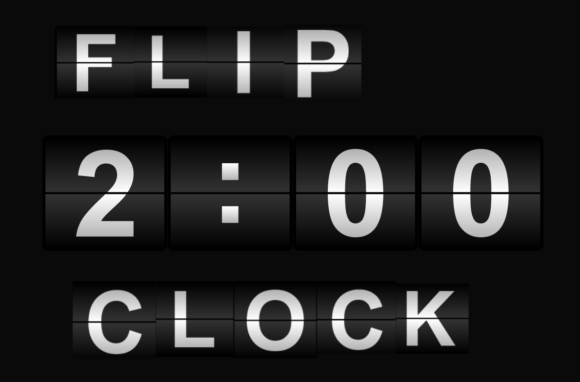
There’s something deeply satisfying about the tactile click and visual flip of an old clock. It’s a design that’s both functional and poetic, a constant, gentle reminder of time’s passage. Designer Uzairr has bottled that exact feeling and transformed it into a powerful design asset: the Flip Clock font. This isn't just another typeface; it's a masterclass in aesthetic fusion. By stunningly combining black and white gradients, the font creates a visual effect that is immediately reminiscent of those classic timepieces. It’s a premium font that feels both nostalgic and refreshingly contemporary, a tool for anyone looking to inject a dose of sophisticated, retro-modern style into their work.
The Anatomy of a Timeless Aesthetic
At its core, the Flip Clock typeface is a display font with a very specific and compelling personality. Its defining characteristic is the simulated two-tone grayscale split, mimicking the look of characters on a split-flap display. This isn't a simple outline or a drop shadow; it's a carefully crafted gradient that gives each letterform a sense of dimension and depth, as if it could physically flip to reveal the next character. The design walks a tightrope between eras. The structure nods to mid-century modernism with its clean, legible forms, while the gradient treatment feels distinctly digital and contemporary.
This unique blend makes it a standout creative font. It avoids the coldness of a purely geometric sans serif font and the excessive ornamentation of a detailed serif font. Instead, it occupies a unique space, offering the clarity of the former with the visual intrigue of something much more complex. It’s the kind of typeface that commands attention without shouting, making it perfect for headlines, logos, and any application where you need to make a strong, stylish impression. The personality is one of quiet confidence, precision, and a touch of analog warmth in a digital world.
Strategic Applications: Where Flip Clock Shines
Understanding a font’s character is one thing; knowing where to deploy it is where strategy comes in. Flip Clock’s strength lies in its ability to evoke a specific mood, making it a versatile tool across numerous fields. For entrepreneurs and small business owners, this commercial font can be the cornerstone of a memorable brand identity. Imagine a boutique watchmaker, a specialty coffee roaster, or a modern cocktail bar using Flip Clock for their logo design. The font instantly communicates a commitment to craftsmanship, tradition, and quality. It tells a story before a single word of copy is read.
In editorial design and packaging design, its impact is equally potent. A magazine feature on vintage technology or a book cover for a historical thriller would find a perfect partner in this typeface. For packaging, especially on products that want to convey a sense of heritage or artisanal quality—from gourmet foods to craft spirits—Flip Clock provides an immediate visual hook that stands out on a crowded shelf. It turns a simple product name into a graphic wonder.
The digital realm is another natural habitat. In web design, using Flip Clock for hero section headlines or call-to-action buttons can dramatically increase engagement. It breaks the monotony of standard web fonts and gives a site a distinct, curated feel. The same principle applies to social media graphics. A quote, a promotion, or an announcement set in Flip Clock is far more likely to stop a user from scrolling than text in a generic font. It’s a powerful tool for content creators, bloggers, and marketers looking to build a visually cohesive and professional online presence. For crafters and hobbyists, it can elevate personal projects like custom invitations, posters, or apparel mockups, lending them a professional polish that’s hard to achieve otherwise.
Making it Work: Practical Guidance for Designers and Creators
Adopting a font like Flip Clock requires a thoughtful approach to ensure it enhances, rather than overwhelms, your project. The first step is always to evaluate the fit. Does the project’s tone align with the font’s retro-modern personality? It’s a perfect match for themes of time, precision, history, craftsmanship, and modern nostalgia. It might be less suitable for a project requiring a soft, whimsical, or ultra-minimalist aesthetic.
Next, consider font pairing. A strong display font like Flip Clock needs a reliable partner for body copy. The goal is contrast and readability. A clean, simple sans serif font like Inter, Lato, or Montserrat makes an excellent companion, providing a neutral canvas that allows Flip Clock’s unique character to take center stage. Avoid pairing it with other highly stylized fonts like an ornate script font or a complex handwritten font, as this will create visual chaos and harm readability. The principle is to let one star shine while the supporting cast does its job quietly.
Readability is a key consideration with any display font. Flip Clock is designed for impact at larger sizes, such as headlines, subheadings, and logos. Using it for long paragraphs of body text would likely fatigue the reader due to its strong visual texture. Always test your designs at various sizes and on different screens to ensure the text remains clear and legible. Check the included styles; many premium fonts come with a range of weights or stylistic alternates that can offer more flexibility. Finally, for any commercial project, always confirm the commercial font licensing. Ensuring you have the correct license protects you legally and supports the talented designers who create these invaluable design assets. By following these practical steps, you can leverage Flip Clock to create work that is not only beautiful but also strategically sound, professional, and engaging.