Harmesh: Crafting Enchantment with an Ornate Typeface
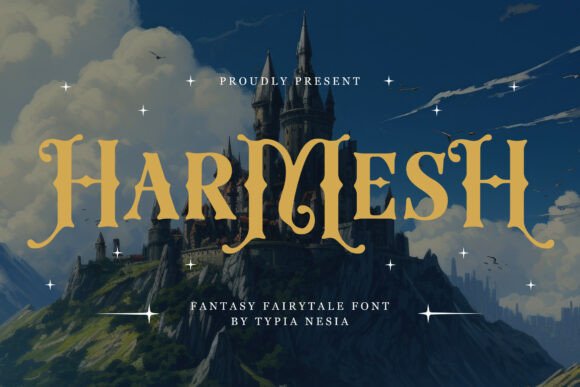
When a project calls for more than just text—when it needs a voice, an atmosphere, a sense of story—the choice of typeface becomes paramount. Harmesh is a premium font that answers this call directly. It’s not merely a set of characters; it’s a design asset built to evoke the intricate beauty of classic fairytales and medieval manuscripts. The letterforms themselves are the story, with each curve and flourish suggesting a world of magic, elegance, and timeless adventure. For designers, this means having a tool that does much of the atmospheric heavy lifting, allowing the core message to land with immediate emotional impact.
The Visual Language of Harmesh
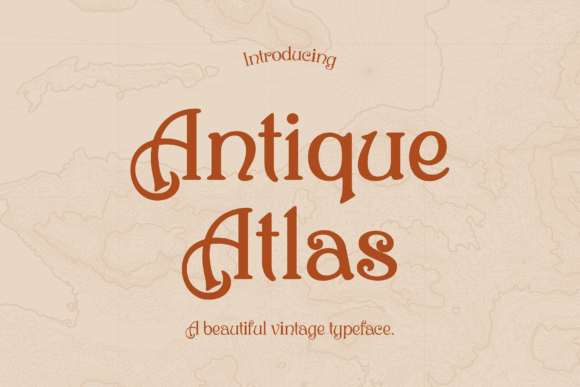
Harmesh is a distinctively ornate serif font. Its personality is woven into its decorative ligatures, elegant swashes, and a full suite of alternate characters. This isn't a minimalist typeface; it's a maximalist's delight, where every letter has the potential for embellishment. The overall appeal lies in its ability to feel both powerful and delicate. It carries the weight and authority of a serif font but softens it with whimsical, handcrafted details. Think of it as the typographic equivalent of a beautifully tooled leather-bound book or an intricately carved wooden chest—objects that are valued for their craftsmanship as much as their function.
This character makes Harmesh exceptionally well-suited for specific applications. It excels where first impressions and emotional resonance are critical. Consider its use in:
- Logo Design & Brand Identity: For brands in fantasy gaming, artisan crafts, specialty teas, boutique bakeries, or historical tours, Harmesh can form the cornerstone of a memorable visual identity. It immediately communicates a sense of tradition, quality, and story.
- Publishing & Editorial Design: It’s a natural choice for book covers in the fantasy, romance, or historical fiction genres. The font can also be used for chapter titles or drop caps in interior layouts, adding a touch of elegance to the reading experience.
- Packaging & Merchandise: On product packaging for items like candles, soaps, craft spirits, or gourmet foods, Harmesh adds a layer of perceived value and artisanal charm. It makes a product feel special before it's even opened.
- Digital & Social Media: A striking hero image on a website, a captivating thumbnail for a video series, or a standout graphic for a social media campaign can all leverage Harmesh's visual power to stop the scroll and invite engagement.
Strategic Application: Beyond the Aesthetic
Choosing a creative font like Harmesh is a strategic decision that influences several key aspects of a project's success. Its most obvious role is in establishing a clear visual hierarchy. As a display font, it’s designed for headlines, titles, and short, impactful statements. Using it for body text would quickly lead to fatigue, but when used judiciously for key elements, it guides the viewer's eye exactly where you want it, creating a focal point that is impossible to ignore.
This focus directly impacts brand perception. A brand that uses Harmesh is telling its audience that it values detail, craftsmanship, and a touch of the extraordinary. It fosters recognition because its style is so distinctive; once seen, it’s hard to confuse with more generic typography. This level of professionalism in design assets signals to customers and clients that the same care has been poured into the product or service itself. The engagement follows naturally—people are drawn to things that feel well-made and evocative.
Practical Guidance for the Designer
Integrating a strong personality like Harmesh into a project requires a thoughtful approach. Here is some practical guidance for evaluating its fit and using it effectively.
- Evaluate Project Fit: Before you even download, ask if the font's medieval fantasy aesthetic aligns with your project's core message. It’s perfect for a fantasy novel cover but might clash with a tech startup's sleek, modern website. Always let the project's goals dictate the tool, not the other way around.
- Master the Font Pairing: A font this ornate needs a grounded partner. For body copy, pair Harmesh with a highly readable, neutral sans serif font or a clean, modern serif. This contrast ensures your headlines pop while your supporting text remains legible. A common practice is to let the display font handle the drama and let a workhorse font handle the information.
- Explore the Included Styles: Harmesh is PUA-encoded, which means all its special glyphs, swashes, and alternates are easily accessible in any standard design software. Don't just type and go. Spend time in the glyphs panel. Swapping in an alternate 'A' or adding a decorative ligature can transform a good layout into a great one, adding unique flair to your logo design or headline.
- Prioritize Readability Considerations: The very features that make Harmesh beautiful—its intricate details and high contrast—can reduce legibility at small sizes or in low-resolution environments. Always test your designs at the intended size and on the intended medium. What looks magnificent on a 27-inch monitor might become an illegible blur on a mobile screen or when printed small.
- Understand Commercial Licensing: For any commercial font, verifying the license is non-negotiable. Ensure the license covers your specific use case, whether it's for a client's logo, merchandise for sale, or a digital product. Using a font without the proper license can lead to legal complications down the road.
Ultimately, Harmesh is more than a typeface; it's a gateway to a specific aesthetic world. Used with intention and paired thoughtfully, it provides designers and creators with a powerful way to infuse their work with a sense of magic, history, and unmistakable character. It’s a reminder that in the realm of design, the details are not just details—they are the design itself.