Praetoria: A Bold Serif Titling Font with Ancient Roots
When a project demands a typeface that feels both timeless and commanding, finding the right fit can be a challenge. You need something with historical weight but modern application. This is where Praetoria enters the conversation. It’s a serif titling font that draws direct inspiration from the Roman square capitals used in ancient Rome, yet it brings a distinct contemporary edge designed for today's visual landscape.
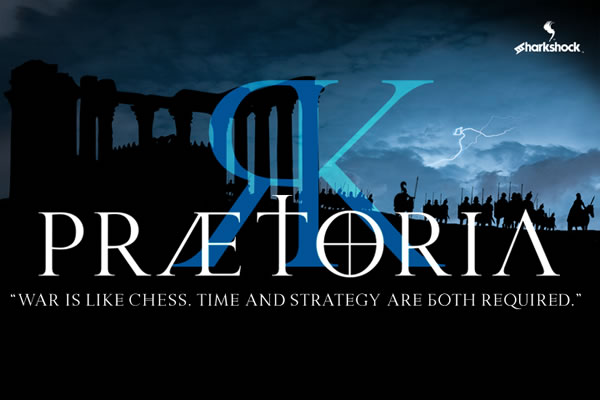
Praetoria isn't your standard text font. It's a display typeface built for impact. The design loosely models the robust, geometric forms of classic Roman inscriptions. You’ll see that in the strong, straight lines and clear, authoritative shapes of the uppercase letters. This gives the font an immediate sense of stability and tradition. But it’s the subtle twists that make it interesting. Some of the lowercase letters are not traditional at all—they are fictitious variations of their uppercase counterparts. A few key glyphs, like the 'b' and 'm', are plucked from Russian and Greek alphabets, adding an unexpected layer of cross-cultural depth and visual intrigue.
Understanding the Visual Character of Praetoria
At its core, Praetoria is a serif font with a strong, architectural presence. The serifs are substantial, grounding each letterform. The overall personality is one of authority, history, and a touch of creative rebellion, thanks to those unconventional lowercase letters. It feels premium and crafted, making it an excellent choice for logo design, movie posters, and book covers where you need to establish a tone of epic scale or historical significance immediately.
The font's appeal lies in this balance. It carries the gravitas of ancient Rome but is filtered through a modern design lens. This makes it incredibly versatile for specific applications. Think of a fantasy novel cover, a strategy video game title screen, or the masthead of a high-end men's magazine. Praetoria provides that instant "hero" quality. However, a critical piece of advice: while you can use the uppercase letters exclusively, it is highly discouraged to do the same with the lowercase. The unique lowercase forms are designed as complements. Using them sparingly for emphasis or stylistic flair is where they truly shine, preventing the text from becoming illegible or visually overwhelming.
Where to Use This Creative Display Font
Praetoria is a specialist. It's a creative font meant for headlines and titling, not body copy. Its strengths are in projects that need a bold, singular statement. Here’s where it works exceptionally well:
- Branding & Identity: Perfect for creating a strong, memorable brand identity for businesses in gaming, entertainment, luxury goods, or heritage brands. A logo set in Praetoria tells a story of strength and legacy.
- Editorial & Publishing: Ideal for editorial design. Use it for chapter titles in books, feature article headlines in magazines, or the title on a dust jacket. It commands attention on the page.
- Marketing & Digital: Cuts through the noise in social media graphics, YouTube thumbnails, and banner ads. It’s a premium font that elevates the perceived quality of your marketing materials.
- Packaging & Product Design: Adds a level of sophistication to packaging design for products like craft spirits, artisanal goods, or special edition releases.
When considering Praetoria, the key is to match its personality to your project’s goals. Is your brand voice authoritative, historical, or fiercely creative? If yes, this font is a strong contender. If your project requires a friendly, casual, or highly readable text for long paragraphs, you should look to a different typeface entirely.
Practical Guidance for Designers and Creators
Choosing a font like Praetoria is a strategic decision. Here’s how to approach it practically.
Evaluate the Fit: Before you commit, ask what role the typography plays. For a hero image on a website or a poster headline, Praetoria can be perfect. For the main navigation menu or product descriptions, it will fail. Its strength is in visual hierarchy—it should be at the top, drawing the eye.
Master Font Pairing: Because Praetoria is so strong, it needs a quieter partner. A clean sans serif font for body text or subheadings is a classic and reliable pairing. A simple script font could work for a touch of elegance in specific contexts, but test carefully. Avoid pairing it with another ornate or heavy display font, as they will compete for attention. The goal is contrast and balance.
Test and Review: Always test the font in your actual design context. Check the readability of the specific words you’re using, especially with the unique lowercase letters. Review what styles or weights are included—does it have a bold or italic version that suits your needs? Finally, ensure you understand the commercial licensing if the project is for a client or for sale. A premium font like this typically comes with a license that outlines permissible uses.
Praetoria is more than just a set of letters; it’s a design asset that brings a specific mood and history to your work. Used thoughtfully, it can become a cornerstone of a powerful visual identity, engaging your audience and lending a sense of unshakable professionalism to your creative projects.