Why Luckiest Guy is the Friendly Face Your Brand Needs
When you’re searching for a typeface that bridges the gap between professional polish and human warmth, the Luckiest Guy font often emerges as a top contender. It is an authentic handwritten font that manages to be bold and loud without sacrificing a certain romantic, approachable touch. In the world of modern typography, finding a font that feels personal yet remains highly legible can be a challenge. Luckiest Guy, however, is expertly designed to be a true favorite for creatives who want to inject energy and personality into their work. It has the potential to take your creative ideas to the highest level, whether you are designing a magazine headline, crafting a social media strategy, or building a brand identity from the ground up.
The Visual Personality of Luckiest Guy
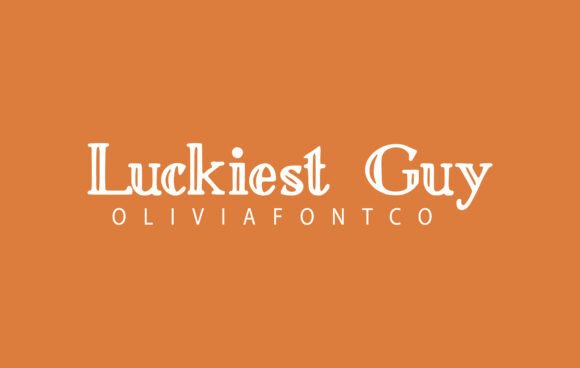
At its core, Luckiest Guy is a display typeface that commands attention. Unlike delicate script fonts that can sometimes get lost in a busy layout, this font features thick strokes and rounded edges that create a substantial visual presence. It mimics the look of a bold marker or a stylized hand-lettered title, giving it a retro-modern vibe that fits perfectly with current design trends. The characters are spaced generously, ensuring that even at smaller sizes, the text remains readable. This balance of weight and whimsy is what makes it a versatile design asset.
For designers and brand strategists, the "personality" of a font is just as important as its technical specs. Luckiest Guy projects confidence, friendliness, and approachability. It avoids the stiffness of corporate sans-serif fonts and the overly formal nature of traditional serif fonts. Instead, it sits in a sweet spot that feels conversational. If you are working on a project that needs to speak directly to the audience—like a blog header or a podcast cover—this font creates an immediate connection.
Where This Creative Font Shines
Understanding where to use a specific typeface is half the battle in design. Luckiest Guy is incredibly flexible, but it truly excels in specific contexts where its unique character can shine.
- Branding and Logo Design: For small business owners, particularly those in the food, lifestyle, or children’s sectors, this font offers a welcoming vibe. It works exceptionally well for logos that need to be memorable and distinct. It pairs nicely with a clean sans-serif font for body text, allowing the logo to stand out without clashing with the rest of the brand identity.
- Editorial and Magazine Design: In editorial design, headlines need to grab the reader's eye immediately. The bold weight of Luckiest Guy makes it ideal for magazine covers and feature story headers. It adds a layer of storytelling to the page before the reader even engages with the content.
- Wedding Invitations and Stationery: The font’s "romantic touch" comes into play here. While it is bold, it retains a handwritten softness that suits wedding invitations, save-the-dates, and greeting cards. It feels bespoke and artisanal, which is exactly what many couples and event planners are looking for.
- Digital and Web Design: On the web, hierarchy is crucial. Using Luckiest Guy for H1 or H2 tags can break up the monotony of standard web-safe fonts. It adds personality to landing pages and is excellent for call-to-action buttons where you want the text to be unmissable.
- Social Media Graphics: Platforms like Instagram and Pinterest are visual-first. Quotes, announcements, and promotions printed in Luckiest Guy tend to stop the scroll. The font renders beautifully in digital formats, maintaining its charm whether viewed on a mobile phone or a desktop monitor.
Practical Guidance for Implementation
Adopting a new font into your workflow requires more than just downloading the file. To get the most out of Luckiest Guy, you need to treat it as a strategic component of your design assets.
Evaluating Project Fit
Before committing to any creative font, evaluate the tone of your project. Luckiest Guy is playful and energetic. If you are designing a legal contract or a formal annual report, it is likely not the right choice. However, if your project involves marketing, entertainment, or personal storytelling, it is a perfect fit. Always consider your target audience; this font resonates particularly well with adults aged 20–50 who appreciate modern, approachable aesthetics.
Mastering Font Pairing
One of the most common questions regarding display fonts is what to pair them with. Because Luckiest Guy has such a strong personality, it pairs best with neutral companions.
- With Sans-Serif Fonts: A clean sans-serif like Montserrat or Open Sans provides a great contrast. The simplicity of the sans-serif allows the handwritten font to take center stage without visual competition.
- With Serif Fonts: For a more editorial look, try pairing it with a modern serif font like Lora or Merriweather. This combination creates a dynamic visual hierarchy that feels both established and fresh.
Readability and Hierarchy
While Luckiest Guy is legible, it is technically a display typeface. This means it is designed for impact, not necessarily for long blocks of body text. Use it for headlines, sub-headlines, pull quotes, and accent text. For the body copy of your website or brochure, stick to a highly readable serif or sans-serif font. This ensures your content is accessible while maintaining the visual flair of the handwritten elements.
Licensing and Commercial Use
For entrepreneurs and publishers, licensing is a critical consideration. Luckiest Guy is widely available, often as a free font for personal use, with options for commercial licensing depending on the source. Always verify the specific license for your project, especially if you are using it for packaging design, merchandise, or large-scale distribution. Respecting licensing ensures that you can use the font confidently in professional settings without legal concerns.
Enhancing Brand Perception
The fonts you choose speak volumes about your brand. By integrating a premium font or a high-quality open-source option like Luckiest Guy, you signal that your brand values creativity and approachability. It helps in building a consistent visual language across all platforms. When a customer sees your Instagram post, visits your website, and opens your newsletter, the consistent use of typography builds recognition and trust.
In conclusion, Luckiest Guy is more than just a collection of glyphs; it is a tool for connection. Its ability to blend the authenticity of handwriting with the boldness of a display font makes it an invaluable asset for anyone looking to elevate their design work. Whether you are a crafter, a marketer, or a small business owner, giving this font a place in your toolkit can help you communicate your message with clarity, warmth, and style.